
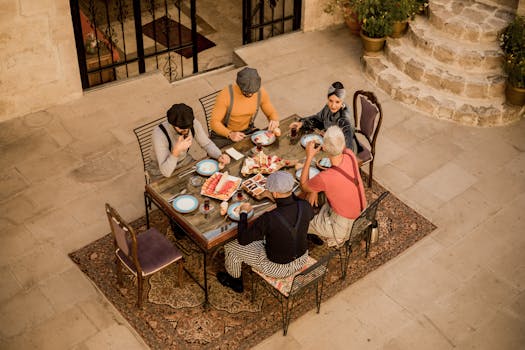
Everyday social moments shape our experiences when traveling or working abroad. Genuine curiosity about local customs can open doors that direct questions often cannot.
Understanding why Middle Eastern etiquette rules exist helps foster smoother, more respectful interactions. Small daily acts, like how you greet someone or accept tea, become meaningful opportunities.
Explore this comprehensive guide to deepen your awareness and confidently navigate Middle Eastern etiquette rules with practical steps, cultural insights, and real-life scripts at your fingertips.
Greeting People with the Right Words and Gestures
Learning to offer appropriate greetings leads to warmer receptions and fewer awkward pauses. Greetings in Middle Eastern etiquette rules are a crucial starting point.
Gestures, words, and timing matter, whether shaking hands, exchanging kisses on the cheek, or using respectful titles when you meet someone new.
Respectful Greetings: Scripts and Behaviors
Start with a clear, steady handshake using your right hand, eyes engaged briefly but not stared. Say “Salam Alaikum” (peace be upon you) with gentle warmth.
Follow the other person’s body language. If they extend only a slight bow or nod, mirror it; don’t reach for hugs or kisses unless clearly indicated.
Practice the phrase “Ahlan wa sahlan” (welcome) and combine it with a nod. This shows you respect the setting’s formality, a major part of Middle Eastern etiquette rules.
Navigating Gender Dynamics in Greetings
Men usually greet men with handshakes; women may greet women with cheek kisses. Across genders, wait for the other person to initiate any physical touch.
If unsure, keep your hands at your side and offer a verbal greeting only. This avoids awkwardness or causing offense. Small hesitations are noticed and respected.
A subtle smile and nod work if you’re uncertain—a safe, universally acceptable approach. You’re reflecting awareness of Middle Eastern etiquette rules without drawing attention.
| Country | Common Greeting | Physical Contact | Takeaway for Visitors |
|---|---|---|---|
| Saudi Arabia | “Salam Alaikum” | Right-hand handshake, no hugs | Keep formal, wait for cues |
| Egypt | “Ahlan wa sahlan” | Handshakes, kisses among friends | Start formal, adjust if invited |
| UAE | “Marhaba” | Right-hand touch, cheek kiss among women | Women initiate touch with women |
| Lebanon | “Bonjour” or “Marhaba” | Handshakes, multiple cheek kisses | Follow local lead closely |
| Jordan | “Salam” | Handshakes; close friends kiss cheeks | Handshake, only closer touch if invited |
Showing Respect When Entering Homes and Private Spaces
Entering a Middle Eastern space carries deep social meaning. Understanding invitations and entry rituals helps you blend in and avoid obvious faux pas from the start.
Every small step, like removing shoes, aligns with Middle Eastern etiquette rules and signals that you care about the host’s family customs and values.
Invitations and Accepting Hospitality
Graciously accept offers of tea or a meal; politely declining may be seen as distant. Taking part, even with a small sip or bite, honors your host’s generosity.
Hosts may insist you take more. Accept the first two offers enthusiastically, then say “la, shukran” (no, thank you) with a hand over your heart if finished.
- Remove shoes at entrances; ask quietly if unsure. Clean socks or tidy feet signal respect for the household’s cleanliness standards and help you follow local Middle Eastern etiquette rules.
- Arrive on time or slightly later, never early. This gives hosts privacy to finish preparations and aligns your timing with local expectations and hospitality rhythms.
- Accept drinks or snacks offered—taking at least a sip or a bite. This tiny gesture creates connection and signals that you honor the host.
- Compliment the home’s decor. Positive remarks about cleanliness or style are valued, such as “Your living room looks so welcoming.”
- Avoid discussing controversial topics unless your host leads. Personal or political issues rarely suit first visits—wait to build trust.
After your visit, send a message or express thanks in person, reinforcing that you valued their hospitality. Small follow-ups strengthen new connections.
Gift Giving When Visiting Homes
Always bring a modest gift, like sweets or flowers, when entering someone’s home. It shows appreciation and willingness to join in communal customs.
Present gifts with the right hand and defer opening—don’t expect dramatic thanks. This aligns with Middle Eastern etiquette rules where humility and subtlety matter.
- Choose local sweets, nuts, or chocolates as gifts. These are widely appreciated; avoid wine or pork-based items, which may cause discomfort for religious reasons.
- Wrap gifts simply or in a decorative bag. Understated elegance fits the cultural mood and avoids seeming flashy or insincere.
- Hand the gift to the eldest host or the person who welcomed you in. This shows respect for family hierarchies within Middle Eastern etiquette rules.
- Avoid gifts featuring dogs or images of people. Some cultural traditions find them inappropriate for home decor.
- Don’t be disappointed if your gift isn’t opened immediately; patience and humility are preferred reactions in this context.
Next time you visit, recalling small family details or previous conversations shows you care, further deepening trust and rapport.
Dining Customs: Accepting Hospitality and Sharing Food
Following dining customs prevents misunderstandings and amplifies your hosts’ pride in their traditions. Table manners are a visible part of Middle Eastern etiquette rules in daily life.
Most meals are communal, with sharing at the heart of the experience and the right hand used for serving or eating whenever possible.
Accepting Invitations and Starting the Meal
Thank your host for inviting you—“Shukran ala dawetek”—and let them direct where you sit. Joining with a smile signals your willingness to share the moment.
Wait for the eldest or host to start; don’t reach for food immediately. When offered, use only your right hand to serve yourself from communal dishes.
Praise the food, then taste a bit from every dish. Even a small portion shows gratitude; refusal may hurt feelings. Use phrases like “ta’am jadid wa lazeez” (tasty and new).
Eating with the Right Hand and Table Talk
Keep your left hand by your side; eat bread by tearing small pieces with your right hand. This detail is key in Middle Eastern etiquette rules.
Conversations focus on pleasant subjects. If a host asks about your family, share something positive and return the polite inquiry once they’ve finished speaking.
Wait until after the meal before mentioning business or work topics. Meals create bonds, so avoid rushing or multitasking at the table.
Carrying Middle Eastern Etiquette Rules into Lasting Relationships
Small adjustments to greetings, home visits, and dining help deepen every relationship. Practicing Middle Eastern etiquette rules transforms routine moments into genuine cultural exchanges.
Attentiveness to hospitality, humility, and timing connects you with communities, builds trust, and opens possibilities no quick guide could deliver without experience.
Stay curious, keep learning, and approach each situation with steady respect. These habits ensure that Middle Eastern etiquette rules become second nature in your global journey.