
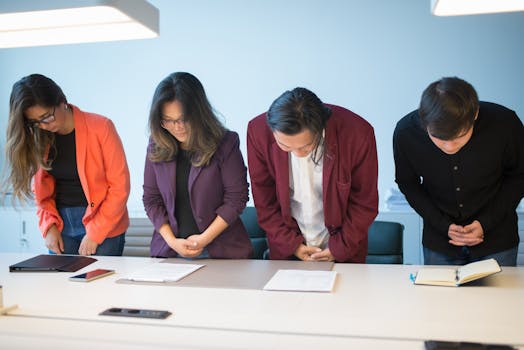
A handshake, a bow, or even a simple nod can speak louder than words. There’s real impact behind global greeting customs, shaping first impressions and mutual respect everywhere we go.
Understanding how greetings reflect cultural meaning helps you avoid awkward missteps abroad or in multi-cultural gatherings. People notice immediately when you honor their customs, turning every introduction into genuine engagement.
Get ready to explore why global greeting customs matter and how following them sets the tone for relationships. Let’s dive into concrete examples that will boost your confidence and competence globally.
Recognizing Specific Gestures Builds Instant Rapport
Learning a country’s official greeting instantly fosters connection. Adapting your actions to local customs shows respect and elevates every interaction from ordinary to memorable.
Across different cultures, a greeting isn’t just a quick formality. For example, in many Asian societies, bowing replaces handshakes and signals deference, humility, and attentiveness.
Adjusting Your Approach for Handshakes
When you extend your hand for a handshake in France, expect a precise, gentle grip lasting two or three shakes—never more. Over-energetic handshakes come across as brash.
Contrast that with the United States, where a firm handshake signals confidence and warmth, eye contact included. Subtle differences like these reveal your respect for the local expectation.
Deciding not to use a handshake at all can be wise. In Thailand, people put their hands together in a wai, palms pressed and head bowed. Try responding with the exact gesture and timing.
Practicing Bowing and Non-Western Gestures
The bow in Japan isn’t simply a quick nod but varies in angle and duration depending on the relationship. Returning the exact depth of bow gives the impression you pay close attention.
Korea also relies on bowing, but a slight bow with arms straight signals you’re meeting someone for the first time. Matching their bow—neither deeper nor shallower—shows cultural sensitivity.
Some societies substitute embraces or nose rubbing, like among the Māori of New Zealand. Doing a gentle hongi, touching foreheads and noses once, cements trust from the start.
| Country/Region | Typical Greeting | Gesture Details | When to Use |
|---|---|---|---|
| Japan | Bowing | Depth and duration reflect status. Return the same bow. | Meetings, introductions, departures |
| Brazil | Kiss on Cheek | Usually twice, once on each cheek. Men may pat the back. | Social gatherings, greetings among friends |
| France | Light Handshake/La Bise | La bise is two cheek kisses; handshake is restrained | Both formal and informal settings |
| United States | Firm Handshake | Quick but strong, steady eye contact | Business and most social scenarios |
| New Zealand (Māori) | Hongi | Touch noses and foreheads, no words | Traditional welcomes, cultural events |
Following Local Greeting Protocols Prevents Embarrassing Mistakes
Greeting someone in a way that matches their expectations instantly breaks barriers. The wrong move, though, can lead to confusion or even offense without warning.
Being aware of greeting customs keeps you from accidentally intruding into personal space or missing subtle expressions of honor and dignity that matter locally.
Respecting Personal Space and Touch
In the Middle East, close proximity during greetings is common among same-gender acquaintances. For example, a quick embrace or two cheek kisses seem natural among friends.
By contrast, in Northern Europe—like Sweden or Norway—a friendly nod or brief handshake respects the high value placed on personal boundaries and measured interaction.
- Wait for a host or elder to initiate body contact. This helps you avoid misreading invisible boundaries and builds trust from your very first word.
- Mirror the greeting you observe when entering a gathering. Adapting quickly lessens the risk of looking aloof or disrespectful to locals or hosts.
- Minimize hand gestures in formal introductions. Many cultures consider them distracting or even offensive if they appear over-enthusiastic or intrusive.
- Maintain modest eye contact in societies where prolonged staring can indicate aggression or disrespect. Watch for cue shifts and adjust your gaze accordingly.
- Use two hands when giving or receiving items, especially business cards in places like China or Korea. This signals attentiveness and appreciation for detail.
Learning these specifics transforms every greeting into a cultural handshake—one that tells your host you see, hear, and value their traditions.
Reading Subtle Facial and Verbal Cues
In Mediterranean countries, animated greetings show energy and friendliness, while in Japan, a calm, neutral face projects politeness. Train yourself by matching tone and expression.
When someone says “namaste” in India, a slight bow and palms pressed means “I bow to the divine in you.” Use the same motion—and tone—to return this respect instantly.
- Echo the volume and warmth of your host: high energy for southern Europe, calm and measured for Japan or Korea. Doing so assures them you’re present and engaged.
- Move your hands as much or as little as people do around you. This keeps the focus on your words and reduces the risk of unintended cultural signals.
- Return verbal greetings in the same language or phrase if you know it. A single “hola” or “bonjour” can break the ice quicker than you might expect.
- Check for a slight smile or expectant pause before speaking further. This indicates you’ve fulfilled the greeting part of the conversation and can move forward comfortably.
- When receiving gestures that feel foreign, accept them with a nod or short thank-you. This maintains a cycle of mutual acknowledgment with zero awkwardness.
Practicing these tips makes the invisible visible, letting you communicate intention and respect through global greeting customs instead of just words.
Interpreting Greetings in Formal and Informal Contexts Wins Trust
Distinguishing between settings is crucial. Using a formal greeting at a casual event or vice versa may disrupt rapport, especially in places where hierarchy is prominent.
Being able to navigate formal versus informal environments by adjusting your greeting signals you understand social boundaries and know what’s expected.
Choosing the Appropriate Greeting in Business Settings
In Japan, your corporate status determines the angle and length of your bow. The junior employee bows longest to a senior, matching the established hierarchy without words.
Presenting your business card with two hands and a slight dip of the head in China demonstrates both professionalism and deference. This small act signals readiness for genuine partnership.
Asking, “May I offer my card?” while slightly bowing helps set the correct tone. Adopt this stepwise approach to formal greetings wherever professional interaction matters.
Shifting to Informal, Friendly Scenarios
In Brazil, friends greet with kisses—two for women, occasionally one for men. You’ll quickly gain inclusion by returning this cheek kiss the moment you’re introduced.
Among close friends in Italy, a warm embrace or back pat affirms closeness. Always watch others and mirror the informal greeting that fits the situation.
In Australia, a relaxed “G’day, mate” with a smile and light handshake or quick hug suffices. Notice and echo this warmth, especially outside formal business settings.
Learning Verbal Greetings for Every Culture Ensures Smooth Introductions
Mastering actual phrases used in global greeting customs demonstrates effort and fosters good will immediately. Saying “hello” or “good morning” in the local language leaves a lasting impression.
Using context-appropriate words, not just gestures, is a shortcut to acceptance. Even a small accent is usually welcomed if your intent is respectful and appreciative.
Essential Verbal Greetings Around the World
Spanish-speaking countries commonly use “¡Buenos días!” in the morning, “¡Buenas tardes!” after noon, and “¡Buenas noches!” at night. It’s quick to learn and delivers instant connection.
Germany favors a firm “Guten Tag” (good day) for formal introductions, while “Hallo” lines up for casual meetings. Choose according to setting to showcase adaptability to German greeting culture.
The Arabic “As-salamu alaykum” signals deep respect. The response, “Wa alaykum as-salam,” completes the exchange, marking you as considerate and mindful of local etiquette every time.
Responding Authentically to Verbal Greetings
Mirroring the exact phrase used, like answering “Bonjour” with “Bonjour” in France, demonstrates both awareness and effort. A confident voice signals friendliness and openness.
In Mandarin, if someone says “Nǐ hǎo,” respond with the same and offer a small nod. Watch their reaction—if they smile or return the greeting, you’ve succeeded.
South Africa’s “Howzit?” expects an enthusiastic “No complaints!” or “Lekker!” in return. Observe the local rhythm and match it, showing you understand that greetings set the social mood everywhere.
Refining Greetings for Group and One-to-One Situations Builds Credibility
Directing global greeting customs to the right person in a group, or adjusting for one-to-one settings, boosts your social IQ and makes your intent unmistakably clear.
Practice identifying the leader in group introductions. Greet that person first, as is the norm in many cultures, before moving down the line systematically.
Prioritizing Hierarchy in Group Greetings
In China, greet the person of highest rank or age first. State their title, then proceed in order. This process aligns with hierarchy-driven expectations and instantly demonstrates respect.
Follow up with a handshake or nod for each group member after the leader. Synchronizing your style with the group ensures your greeting is noticed and valued equally by everyone.
Japan’s approach mirrors this: bow first to the most senior, with others in line receiving progressively less pronounced bows. Adapt your timing accordingly for seamless inclusion.
Adapting for One-on-One Connection
When greeting someone alone, direct all your attention—eye contact, body posture, and opening phrase—to them only. Physical gestures should be precise and non-distracting.
Use their name if known—“Hello, Mr. Kim”—before any gesture, then deliver the appropriate custom. This routine makes the greeting personal and reinforces individual worth.
If unsure about the appropriate approach, briefly pause, observe, and mimic their gesture after their lead. This minimizes error and increases comfort for both parties.
Knowing When to Adapt and When to Hold Back Keeps You Safe
Exercising caution helps avoid misunderstanding and misinterpretation, especially in cross-cultural settings where global greeting customs may conflict or overlap.
Read the room before committing fully. It’s better to adapt based on cues than to insist on your own way, particularly when lack of context can cause discomfort.
- Wait for someone to initiate contact in unfamiliar settings to sidestep accidental breaches of protocol and create a courteous waiting period.
- Step back if unsure about physical greetings. Nodding with a smile gives grace while you assess the comfort level of others in the room.
- Use a pared-down version of a greeting when blending groups with different backgrounds. A handshake with a slight nod balances formality with flexibility.
- Practice non-verbal awareness by observing clothing, accessories, or badges that might signal religious or cultural constraints which affect how you should greet.
- When in doubt, vocalize your openness with “How would you like to be greeted?” or “Is there a traditional greeting here I should use?”
Global Greeting Customs in Everyday Scenarios Inspire Mutual Respect
Knowing global greeting customs isn’t just for boardrooms or travel—it connects you with neighbors, classmates, coworkers, and friends in diverse communities at home.
Try practicing new customs at cultural festivals or international restaurants, and watch how people become instantly welcoming when they recognize your genuine effort.
Incorporating Greeting Practices Into Daily Life
Start meetings or social interactions by asking, “What’s the custom where you’re from?” New acquaintances might teach you the meaning behind their preferred greeting.
Attend multicultural events and challenge yourself to imitate the lead of each group, whether that’s a bow, handshake, or verbal expression, even if it feels unfamiliar at first.
Recount stories later with family or friends, explaining why you chose a certain greeting. This spreads awareness and helps solidify your learning organically.
Using Global Greeting Customs to Deepen Friendships
Recall a time you used a cheek kiss in Brazil or bowed in Japan, noticing immediate smiles or nods of approval. Share that the moment lingered because you made an effort.
Invite an international friend to show you their traditional greeting, giving you the chance to practice and deepen connection at the same time.
Make it a habit to ask, “Do you have a special greeting?” in every new encounter, encouraging others to open up while you demonstrate curiosity and humility.
Bringing it All Together: Developing Cultural Fluency Through Greetings
This journey through global greeting customs reveals concrete, behavior-based steps that transform your interactions anywhere in the world.
A greeting—precise gesture, spoken phrase, or warm smile—conveys respect, curiosity, and adaptability all at once. Embracing variety in customs ensures you make the right impression everywhere.
Armed with practical strategies and scripts, you’ll navigate new cultures confidently. Let global greeting customs be your tool for building bridges in every relationship, formal or informal.