
Giving a gift can make anyone’s day brighter, but small missteps sometimes create bigger misunderstandings. Navigating cultural gift giving rules saves embarrassment and deepens relationships unexpectedly.
Beyond manners, gift giving traditions shape how people connect, show respect, and express gratitude worldwide. Recognizing these rituals changes how we approach both business and social exchanges.
This guide explains essential cultural gift giving rules you can use anywhere, offering concrete steps, practical scripts, and insights for every situation from meetings to milestones.
Choosing the Right Gift for Every Culture Builds Trust Instantly
Selecting a culturally-appropriate gift shows you’ve considered someone’s values. It moves you from being merely polite to being genuinely thoughtful and inclusive. Small choices make an enduring impression.
Letting someone know you understand cultural gift giving rules can dissolve barriers quickly. Next time, instead of guesswork, you’ll have a clear plan that communicates respect from the start.
Gifts with Symbolic Meaning
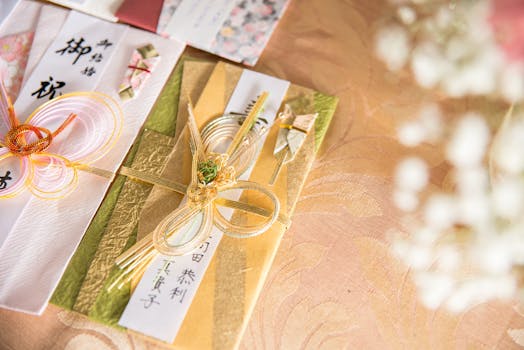
In Japan, a simple item wrapped beautifully holds deeper meaning than something expensive in plain packaging. For example, always offer gifts with both hands and bow gently as you present it.
Chinese customs advise avoiding clocks and sharp objects because they symbolize negative associations. Instead, bring tea or fruit, which are universally appreciated. Smile as you give and use both hands.
In the Middle East, quality and presentation are valued. Choose fine dates or sweets, and avoid alcohol if you’re unsure. Say, “I hope this brings you and your family happiness” during the exchange.
Timing and Occasion Matter Everywhere
Waiting for the right time to give a gift matters as much as the gift itself. In Germany, gifting outside birthdays or holidays is unusual unless marking a special event.
In Latin America, presenting a gift when you first arrive can come across as too forward. Instead, wait until the host signals it’s appropriate—usually after warm conversation over refreshments or meals.
Following these cultural gift giving rules, try: “I brought something to thank you for your welcome; may I share it with everyone now?” This shows awareness of local customs and adds warmth.
| Country | Gift to Give | Gifts to Avoid | What to Do Next |
|---|---|---|---|
| Japan | High-quality fruit, stationery | Handkerchiefs, potted plants | Wrap the gift nicely, give with both hands |
| China | Tea, fruit baskets | Clocks, sharp objects | Give in pairs, avoid white/black wrap |
| Brazil | Flowers, chocolates | Handkerchiefs, purple gifts | Present after conversation, avoid extravagance |
| Middle East | Quality sweets, dates | Alcohol, pork products | Gift to the head of house first |
| US | Wine, books | Cash, personal hygiene items | Include a personal note when possible |
Packing and Presenting Your Gift Sends an Intentional Message
How you wrap and deliver a gift sends a clear signal about your thoughtfulness and cultural awareness, ensuring your effort is appreciated rather than misunderstood.
Imagine wrapping a gift in red for a Chinese occasion or adding a delicate bow in Japan—these actions show respect for unique cultural gift giving rules that matter to your host or colleague.
Best Practices for Wrapping
Use new paper and avoid black or white wrapping for occasions in many Asian cultures. This small step tells your recipient you value their beliefs and traditions.
Choose soft, warm colors for French, Italian, or Brazilian occasions. For business, minimal packaging with a company logo creates a professional touch while still showing care.
- Wrap with both neatness and attention to detail; this suggests you value the gesture as much as the item inside.
- Avoid using old newspapers, which some cultures associate with bad luck or poverty; instead, choose bright, fresh materials to convey prosperity.
- Double-check ribbons and tags so names are spelled correctly; this small act can make a stranger feel instantly at ease in any situation.
- Use natural twine or fabric wraps for Scandinavian contexts; environmentally-friendly touches reveal care for global etiquette as well as sustainability.
- For close relationships, a handwritten note elevates both business and personal exchanges and proves you’ve personalized your offering beyond the gift itself.
Remember to present your wrapped item with a genuine smile; body language is part of cultural gift giving rules too.
When to Present a Gift in Person
Always hand the gift directly to your recipient rather than placing it on a table, unless they indicate otherwise; direct exchange is preferred in most cultures.
Request permission by asking, “May I give this to you now?” in India or Brazil. This approach is universally polite and rarely misunderstood.
- Offer with both hands and slight bow in Japan; for informal situations in the US, a handshake works. Context and cultural gift giving rules shape the best introduction.
- Look the person in the eyes for a moment; this builds trust and personal connection, especially in Western, Middle Eastern, and Latin American settings.
- Hold the gift at heart level while presenting; this subtle move signals earnestness and makes your effort feel more meaningful than a quick handoff.
- If someone insists on not opening the gift right away, don’t pressure them; waiting is part of etiquette in some Asian and Middle Eastern cultures.
- Follow up with a brief thank you after the event concludes, either in person or by message, making your appreciation clear and cementing a positive exchange.
Keen attention to these moments changes how you’re remembered and ensures your gesture lands as you intend.
Gift Value and Reciprocity: Finding the Right Balance for Each Culture
Balancing generosity with cultural expectations avoids awkwardness. Each society has unique cues, so reading the context is key for mastering cultural gift giving rules in real settings.
If your offering is too lavish, like gifting a luxury item in Germany or Canada, people might feel obliged to reciprocate, which complicates the gesture.
Matching the Occasion and Relationship
Consider the occasion first: birthdays, weddings, and company anniversaries each carry different weight. For business, choose practical but tasteful items like branded pens or gourmet coffee, not extravagant presents.
When offering gifts in Scandinavia, favor understated and functional objects; they reflect equality and modesty, keeping exchanges comfortable.
Reciprocity expectations shift by region; if you receive a gift in Argentina, graciously open it and respond warmly. For future visits, reciprocate without overdoing it.
Scripts for Refusing or Accepting Gracefully
If declining a gift in China, smile and say, “I’m honored—thank you, but this is too generous for me to receive.” Repeat once, then accept on third offer.
When receiving an unexpected gift in the US or UK, say, “What a thoughtful surprise, thank you! This means a lot to me.” Follow up with a friendly note after.
By practicing these scripts, you’ll honor cultural gift giving rules and avoid accidental rudeness in unfamiliar environments.
Accepting Gifts: Signals and Scripts to Respond with Confidence
Responding appropriately when handed a gift assures your host that you’ve understood and respected their intention, which preserves harmony and shows your cultural fluency immediately.
When handed a present in Singapore or Korea, accept with both hands—this common gesture signals deep respect and avoids offending traditional sensibilities.
Saying Thank You with Meaning
After accepting a gift, express specific gratitude instead of generic phrases. Try, “This is perfect for my collection. Thank you for remembering my favorite color.”
Write personal thank-you cards within a day or two for business exchanges; handwritten notes reassure your contacts that you value the relationship as much as the gesture.
If language is a barrier, a warm smile and a bow, coupled with clear appreciation, bridge gaps even when words fall short of full understanding.
Handling Unwelcome or Unusable Gifts
Receive every offering without visible discomfort. In Russia, if given flowers out of season, accept them graciously and display briefly before putting aside.
If a gift is culturally inappropriate but well-meaning, like unexpected wine in a non-drinking context, thank the giver warmly and discretely repurpose the item later.
Always remember, accepting and acknowledging diverse gifts well is core to cultural gift giving rules; every elegant acceptance leaves a lasting impact.
Following Up: Strengthening Relationships Beyond the Gift Exchange
After the event, a thoughtful follow-up cements goodwill and signals genuine interest in future interactions, elevating the gift from a transaction to a true gesture of friendship.
In Chinese and Japanese cultures, it’s customary to send a brief message or note expressing thanks again—this crucial component ensures your appreciation is understood as sincere.
Timing Your Follow-Up Correctly
Send a thank-you email within 24 hours for professional exchanges, or mail a simple card for personal relationships. A prompt follow-up proves the gift had impact and you value the connection.
If the relationship grows, reciprocate thoughtfully at a future opportunity instead of immediately—the best cultural gift giving rules emphasize patience and balance over speed.
For milestone events like weddings, offer a keepsake or small token when next meeting—such gestures transition the relationship from symbolic to personal.
Examples of Smart Follow-Up Messages
Try: “Thank you again for your thoughtful gift. It brought joy to my home, and I look forward to seeing you soon.” This simple phrase fits almost any context.
If you’re unsure, message: “Your gesture meant a great deal to me. I hope to return your kindness during our next meeting.” Adjust to suit personal or business tone.
By integrating such scripts, your network of trusted connections will grow faster and more naturally through practiced cultural gift giving rules.
Staying Aware of Changing Gift Norms and Special Circumstances
Flexible awareness is your ally as cultural gift giving rules evolve, especially when holidays, religious observances, or social crises change the usual rituals dramatically.
Observant guests stay attuned to these swings, graciously adapting their approach when original plans no longer fit—showing genuine care for those involved instead of rigid adherence.
Adapting to Cultural Holidays
During Ramadan, avoid giving food items until after sunset, and never present pork or alcohol. For Diwali, sweets and small lamps work. Adjust the gesture so it feels compatible with the occasion.
During Christmas or Lunar New Year, lean into regional customs such as red envelopes or symbolic foods, keeping your presentation and timing festive but appropriate.
Before any visit, ask discreetly, “Is there anything I should consider about today’s celebration regarding gift giving?” Humble inquiry wins trust in almost every culture.
When Customs and Personal Preferences Clash
If you learn a recipient dislikes flowers or objects that break cultural norms, quietly choose another thoughtful item instead. Resourceful solutions beat rigidly following the wrong tradition.
Sometimes, hosts might request no gifts during times of mourning or financial strain—honor such requests fully and consider sending a private note or heartfelt message instead of an object.
Adaptive awareness, not strict conformity, delivers the spirit of cultural gift giving rules without risking offense or miscommunication in sensitive scenarios.
Integrating Cultural Gift Giving Rules: Deepening Connection with Careful Intent
Gift exchanges shape relationships in every setting, guiding not just what we give, but how thoughtfully we connect with others using cultural gift giving rules that make each moment memorable.
From wrapping styles, scripts, and symbolic choices to following up with tailored messages, each step adds clarity, warmth, and intention to your personal and professional life.
Understanding and practicing these rituals will help you build cross-cultural trust, avoid unspoken blunders, and create lasting goodwill through simple, thoughtful actions every time you give or receive.