Networthfy is an independent financial comparison platform. We may earn a commission when you click through.
Car Finance in Kenya: Six Loans, Three Clear Winners
Compare Kenyan car loans from 13% p.a., including deposit requirements, financing limits, repayment terms, and used-car restrictions.
Quick Picks for Kenyan Car Buyers
Best for large purchases: Stanbic Bank Vehicle Loan.
Best for the longest term: DTB Car Finance.
Best for older or used cars: MOGO Car Loan Kenya.
Car finance is not one market in Kenya. A bank loan starting at 13% p.a. can be cheaper than a specialist lender, but approval may take longer and documentation is heavier. The deposit also matters: 20% on a KES 3 million car means KES 600,000 upfront before insurance, transfer costs, and other charges.
Rates and terms shown are representative. Your actual rate depends on your credit profile and circumstances. This is not financial advice — always read the lender's terms before applying.

Lower-Rate Bank Financing
The advertised starting rate is only one part of the calculation. Check the deposit, maximum loan, repayment period, and whether the lender prices used cars differently. The figures below come from the supplied lender information and official pages, including Stanbic Bank's vehicle finance page and DTB's passenger car financing page.
Stanbic Bank Vehicle Loan
Stanbic starts at 13% p.a., the lowest stated rate in this group, and finances vehicles from KES 500,000 to KES 15 million. That range suits a buyer purchasing a substantial new or used vehicle, but excludes cheaper cars and the rate can rise to 18% depending on the applicant. A salary-account transfer may also be required. I would compare Stanbic with DTB first for a loan above KES 5 million, then ask both lenders for the total repayment rather than choosing on the starting rate alone. Best for a Kenyan buyer with documented income who needs a high loan amount and can accept a maximum 60-month term.
KCB Car Loan
KCB's stated starting rate is 14% p.a., slightly above Stanbic and DTB, with financing up to 80% of the vehicle value and terms up to 60 months. The practical advantage is reach: KCB is Kenya's largest bank and has nationwide branches, which can matter when documents, valuation, or employer verification need in-person handling. The trade-off is a minimum 20% deposit, proof of salaried or business income, several business days for processing, and potentially higher pricing on used vehicles. Best for a Kenyan buyer with regular income who values branch access and a familiar bank more than shaving one percentage point from the starting rate.
The bank options all require patience and paperwork. That is not automatically bad: a slower process can accompany a lower rate. But a 20% deposit is still a large cash commitment, and a 60- or 72-month term can make an affordable monthly payment hide a much larger total cost. Buyers with older vehicles or less conventional income may need a different route.
Used Cars and Faster Access
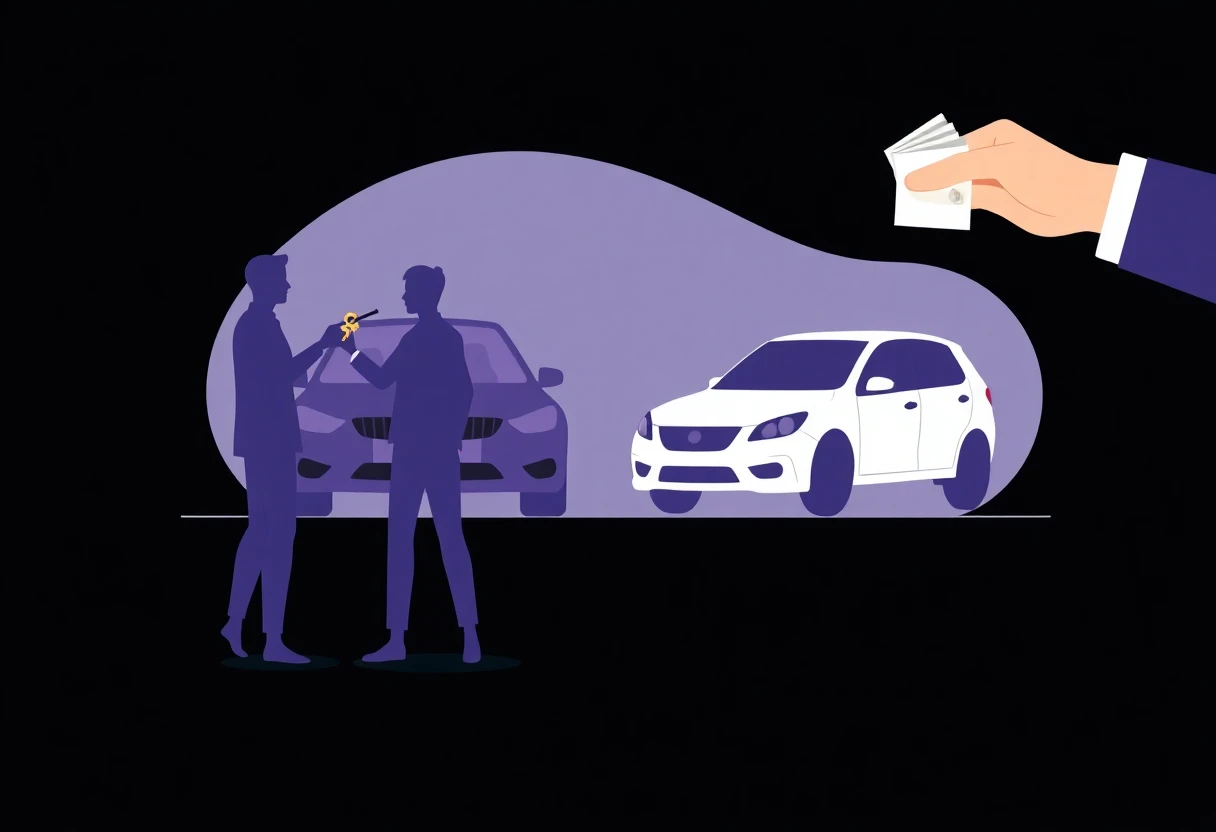
Specialist finance can solve a problem banks often handle less comfortably: an older car, a smaller loan, or a need for a quicker decision. The price is usually a higher rate or a shorter term. MOGO's official page should be checked carefully because the supplied page content mentions financing from 50% down and up to KES 1 million over 24 months, while the listing summary describes a 20% minimum deposit, loans up to KES 2.5 million, and terms up to 48 months. That inconsistency is exactly why written confirmation matters before signing.
MOGO Car Loan Kenya
MOGO is the most accessible match for a buyer whose car would not fit a traditional bank's preferred profile: the listing says it finances cars of any age, make, or model, with fast approval and terms from 6 to 48 months. The rate is listed at 18% p.a., materially above the 13% bank starting rates, and the maximum loan is lower at KES 2.5 million. More importantly, the supplied official-page extract conflicts with the listing on the deposit, maximum amount, and term. Ask MOGO to confirm those three points in writing, along with the full repayment schedule and every fee. Best for a buyer of an older or used vehicle who has enough income to handle the higher cost and needs a lender with broader vehicle criteria.

Watu Gari Car Finance
Watu Gari advertises up to 80% financing for new and used cars, implying a 20% deposit, but the supplied page currently returns a not-found message and the rate is not publicly disclosed. That makes it difficult to compare against KCB, Stanbic, or DTB on total cost. The brand may still be relevant to a buyer who wants a specialist provider, but the missing rate is not a minor detail: ask for the annual rate, fees, term, valuation rules, and total repayment before paying any application or commitment charge. Best for a buyer willing to request a written quote and compare it line by line with a bank offer.

Watu's unpublished pricing makes MOGO easier to evaluate despite MOGO's higher stated rate. That is the uncomfortable lesson: a visible expensive rate can be safer to compare than an attractive financing percentage with no public pricing. Do not treat approval speed as a substitute for a full cost disclosure.
Traditional Bank Structure at Higher Limits
I&M belongs in the comparison for buyers who want a conventional bank relationship and a larger borrowing ceiling. It does not beat the lowest stated rate here, but the loan size and predictable 20% deposit structure may matter more than a small rate difference on a high-value vehicle.
I&M Bank Car Loan Kenya
I&M Bank lists car loans at 14% to 18% p.a., up to 80% financing and loan limits as high as KES 10 million. That puts it below Stanbic and DTB on the maximum amount, but ahead of MOGO for a buyer who wants a bank lender and a longer, more structured process. The 20% deposit is mandatory in the supplied details, and full documentation plus slower approval can make the application less convenient. For a KES 10 million car, the deposit alone would be KES 2 million, before associated ownership costs. Best for a buyer with complete income and vehicle documents who wants traditional bank financing for a high-value car and can wait several business days.


What to Avoid Before Signing
- Comparing only the headline rate: ask for the total repayment, monthly instalment, valuation cost, insurance requirements, processing charges, and any late-payment fees.
- Assuming every used car qualifies: banks may apply age or valuation limits, while specialist lenders may accept older cars but charge more.
- Stretching the term without doing the math: DTB's 72-month maximum for qualifying new vehicles can reduce monthly pressure but increase total interest.
- Ignoring deposit contradictions: MOGO's supplied listing and official-page extract show different deposit and term details. Get the current terms in writing.
- Paying a large deposit before approval: confirm the lender, vehicle valuation, refund rules, and documentation requirements first.
Quick Comparison
| Lender | Stated rate | Maximum financing | Term | Best match |
|---|---|---|---|---|
| Stanbic | From 13% p.a. | KES 15M | Up to 60 months | Large new or used vehicles |
| DTB | From 13% p.a. | KES 15M | Up to 72 months for qualifying new cars | Lower monthly instalments |
| KCB | From 14% p.a. | Up to 80% financing | Up to 60 months | Nationwide bank access |
| I&M Bank | 14%–18% p.a. | KES 10M | Not stated | Structured bank borrowing |
| MOGO | Listed at 18% p.a. | Up to KES 2.5M in listing | 6–48 months in listing | Older or used vehicles |
| Watu Gari | Not disclosed | Up to 80% financing | Not stated | Specialist quote comparison |
My shortlist starts with Stanbic for the lowest stated rate and high limit, DTB for buyers who need a longer term, and KCB for branch access. MOGO earns a place only when vehicle age or speed makes bank approval unrealistic. Watu should not be judged until its current rate and fees are documented.
Choose the lender around your actual profile: a high-income buyer with a large deposit should compare Stanbic and DTB; a salaried buyer who values physical branches may prefer KCB; an older-car buyer should investigate MOGO's current terms carefully. Before applying, compare the full repayment—not just the rate printed at the top of the advert.
Car finance is one part of the borrowing decision. For a wider look at personal-loan costs and use cases, read Navigating Personal Loans: Best Picks for Every Need.