
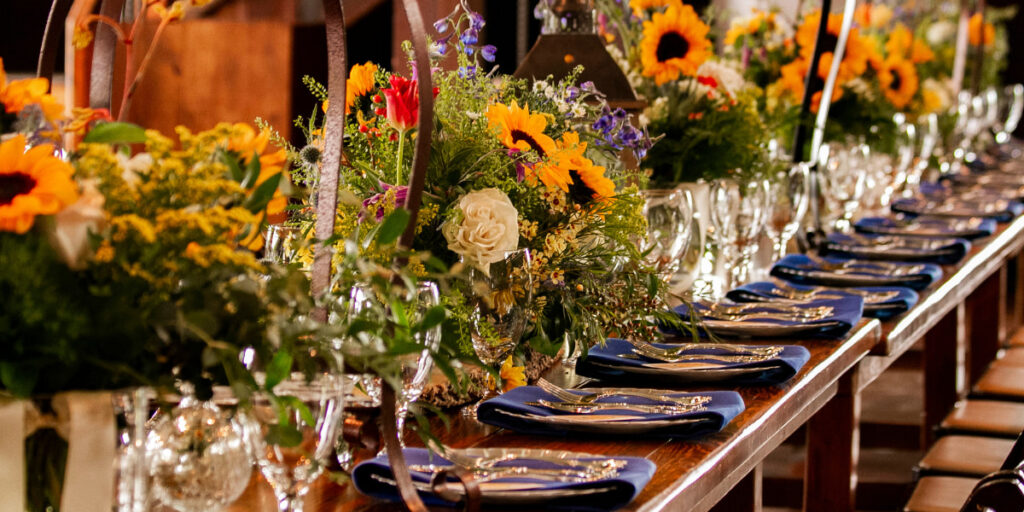

Pulling up a chair at a formal dinner feels a bit like stepping onstage for a play you haven’t rehearsed. There’s a buzz of curiosity and maybe a dash of nerves. Making the right impression takes more than picking the right fork — it’s about understanding the unwritten rules of formal dinner etiquette that guide the whole scene.
Keen attention to these etiquette cues doesn’t just help you feel comfortable among guests; it also shows respect for the event’s traditions and the host’s efforts. From where to keep your hands to when to take your first bite, every move sends a subtle signal.
This guide breaks down easy, actionable rules that anyone can follow, even if it’s your first time at a formally set table. Explore what makes a meal feel seamless and pleasant — and come away ready for your next invitation.
Starting a Formal Meal with Confidence: Navigate Your Place Setting and Host’s Cues
Confidently approaching your seat and knowing what to expect at the table can set the right tone for your entire evening. The first moments shape your comfort and the impressions you make.
The layout of the table isn’t random; forks, knives, glasses, and even your bread plate follow an intentional setup. Learning this structure puts you at ease from your very first moment seated.
Seat Yourself Gracefully
Wait for your host’s cue before sitting. Sometimes the host may gesture or say, “Please, everyone, find your seat.” Follow their lead—don’t start before others as it can be interpreted as rushed or impolite.
Stay standing behind your chair until your host sits or signals it’s time. Move your chair quietly, tuck yourself in, and keep personal belongings like bags or phones off the table and your lap.
Maintain good posture as you settle. Keeping your back straight and your hands visible (rest gently on your lap or table’s edge) reflects comfort and attentiveness from the start.
Decoding the Place Setting
Begin at the outside and work your way in—use the utensils farthest from your plate for the first course. Forks usually sit on the left; knives and spoons on the right. Dessert utensils rest above the plate.
Your bread plate’s always to your left, and your glassware is always to your right. Picture the acronym “BMW” (Bread, Meal, Water) left-to-right to keep things straight. This handy trick demystifies the most common confusion.
If you’re unsure about any item’s purpose, simply observe your host or the first person served. Quiet observation keeps you on track and avoids accidental etiquette missteps during your formal dinner experience.
| Utensil/Item | Position | Usual Course | Takeaway Tip |
|---|---|---|---|
| Salad Fork | Far Left | First Course | Start from outside, move inward as courses progress |
| Soup Spoon | Far Right | Soup Course | Only use if soup is served |
| Dinner Knife | Right of Plate | Main Course | Blade faces plate for safety and tradition |
| Bread Plate | Above Forks, Left | Accompanies Main/Appetizer | Use only for bread and butter, not as a side plate |
| Water Glass | Above Knives, Right | All Courses | Always use your right glass, never reach across |
Napkin Use, Pacing, and Silent Signals: Seamless Participation at the Table
Managing your napkin, utensils, and meal pace signals that you’re attuned to the social rhythm around you. These behaviors make you feel like part of the group, not just a guest following rules.
Synchronizing your actions with those at the table builds rapport. Paying attention to subtle cues shows your respect and makes conversations flow smoothly, an essential for formal dinner etiquette.
Napkin Etiquette Made Simple
Place the napkin on your lap after the host does. If you leave the table temporarily, place your napkin (neatly folded) on your chair. Only put the napkin beside your plate once the meal is complete.
- Unfold quietly and place directly on your lap—never tuck into your collar or shirt.
- Dab your mouth softly as needed (don’t wipe aggressively), especially before sipping drinks.
- Keep it out of sight while eating for a clean look and to avoid distractions.
- Don’t use it as a tissue for nose wiping or to clean spills; request assistance if needed.
- At meal’s end, leave it neatly to the left of your plate—never refold it completely.
Understanding napkin protocols signals poise, even in unfamiliar settings, and anchors the rest of your behaviors during a formal dinner.
Meal Pacing and Speaking Cues
Mirror the pace of those around you, especially the host or senior guests. If everyone’s pausing for conversation, set down your utensils and join in.
- Pause eating when conversation peaks; don’t chew while speaking or interrupt others’ stories.
- If you finish a course early, rest your utensils neatly on your plate at the “4 o’clock” position.
- Let servers clear plates, and never stack dishes or push them away.
- Before taking a sip, ensure you’ve swallowed food to avoid awkward situations.
- Watch for visual cues, like a server approaching, to pause eating and give attention.
Active observation of pacing, through speech and meal speed, keeps you engaged and helps the dinner flow naturally—an essential part of gracious formal dinner etiquette.
Utensil Handling and Dining Gestures: What Your Behavior Says
Holding your utensils correctly and signaling your needs with subtle gestures are key skills for any formal dinner. These actions are what hosts and fellow guests notice first.
The difference between appearing unsure and fully comfortable lies in how you use your knife, fork, and spoon. Practice these specific moves to carry yourself with confidence.
The Fork and Knife Rulebook
Hold forks in your left and knives in your right for the Continental style; swap fork to your right hand for American style. Rest your utensils on your plate when you pause, handles toward four o’clock.
Cut only one bite at a time—never slice your whole steak at once. Keep elbows off the table while cutting and eating, but rest forearms on the edge between bites.
When finished, align knife and fork side by side diagonally across the plate (usually at four or ten o’clock). This signals you’re done and helps servers clear efficiently.
Subtle Gestures and Silent Requests
Use brief, clear gestures if you need something: nod to catch a server’s attention; raise subtle hand if a bread basket passes your way. Never reach across others—ask, “May I have the bread, please?”
Signal that you’re pausing by resting utensils in an inverted V formation on the plate. To indicate you’re done, place them parallel. Avoid waving cutlery or gesturing mid-chew, keeping signals discreet.
If you drop silverware, don’t retrieve it yourself. Ask a server quietly (“Excuse me, I’ve dropped my fork; may I have another?”) and wait patiently for a replacement.
Conversational Skills and Polite Table Talk: Shaping the Atmosphere of the Evening
Setting the right conversational tone enhances your experience and that of everyone around you. Thoughtful table talk unlocks warm interactions, even among unfamiliar faces.
Keeping conversation light, positive, and inclusive is a timeless aspect of formal dinner etiquette. Every exchange at the table acts as a social bridge, forging new connections and memories.
Inviting Others In
Start by making eye contact with those beside you and across the table. When introducing a topic, use openings like, “I’d love to hear about your latest travels,” or, “What brought you to this event?”
Balance the voices by drawing quieter guests in (“Anna, do you enjoy this dish as much as I do?”). Directing a question by name includes everyone and keeps the group dynamic.
Use open body language—slight smiles, nods, turning slightly toward speakers. Conversation flows best when nonverbal cues say, “I’m interested, and so are you.”
Topics and Timing
Stick to safe topics: food, travel, general interests, or positive recent events. Steer clear of politics and heated debates until you know the group well or if a host introduces such topics first.
Jump into stories or jokes only when the table mood is relaxed. Gauge reactions: if a topic fizzles, pivot graciously—”That reminds me, did anyone see the dessert menu yet?”
Keep storylines short and leave space for others to chime in. Notice when others want to share and pause accordingly—a key ingredient in building strong social rapport at the table.
Beverage and Toasting Customs: Elevate Your Dining Experience
Pouring drinks and participating in toasts are moments that spotlight your sense of presence. Handling these details properly lets you blend in seamlessly and celebrate like a seasoned guest.
At a formal dinner, the beverage sequence signals both respect for the host and readiness to participate in the shared festivities—another cornerstone of good formal dinner etiquette.
Accepting and Declining Drinks
Accept a drink with a nod or soft “Thank you.” If you’d rather not drink, place your hand over your glass and say softly, “Just water for me, thank you.” Do not make excuses or draw attention.
It’s perfectly fine to refuse wine or a cocktail without explanation. Polite brevity holds the focus on the event, not your preferences. Hosts notice the ease with which you interact in these moments.
Set your glass back on the right, above your knife, after each sip. Avoid overfilling glasses when pouring for others; fill about one-third for wine, and two-thirds for water.
Toasting Without Awkwardness
A toast may start with the host raising a glass. Pause, look up, and gently lift your glass in response, making brief eye contact with nearby guests. Sip quietly—never chug or gulp.
When toasting others, stand if the event is large; stay seated for more intimate gatherings. Be brief and sincere: “To new friendships and great food!” If toasted, always thank the speaker with a smile or soft “Thank you.”
If you don’t drink alcohol, raise your glass in the toast, whatever is in it. Participation matters more than the drink itself, reinforcing your place as an engaged, respectful guest.
Graceful Recovery from Mistakes: Handling Missteps with Poise
Making a mistake—or witnessing one—will happen eventually. Staying calm and correcting yourself with minimal disruption displays maturity and a genuine understanding of formal dinner etiquette.
What matters most isn’t the mistake itself but your quick, courteous recovery. The right strategy leaves the moment behind with minimal fuss and zero embarrassment.
Correcting Yourself
If you use the wrong utensil or take a bite early, smile and continue naturally. There’s no need to apologize aloud or explain. Discreetly return to the expected pattern without drawing attention to the slip.
If you spill or drop something, signal a server quietly. Say, “Excuse me, I need a replacement fork,” or “I’m sorry, I’ve spilled.” Maintain a calm demeanor; your host and fellow guests will follow suit.
If someone else blunders—reaches across, misuses tools—simply ignore the error unless your assistance is directly requested. Helping quietly upholds the group’s confidence and avoids embarrassment.
Supporting Others with Grace
Offer subtle help when a guest looks confused. You might say, “I think the salad fork is furthest on the left,” or gently pass missing condiments instead of correcting openly.
Never laugh or make jokes about someone’s mistake. Shift focus positively if the atmosphere grows tense; mention the meal or compliment the table settings to redirect attention constructively.
If the host makes an error, behave as if you didn’t notice. Hosts set the tone, and your deference keeps the meal enjoyable for everyone.
Preparing for a Formal Dinner: Key Steps and Gentle Practices Before You Arrive
Arriving prepared makes every other aspect of your formal dinner etiquette easier, from the moment you greet your host to the final thank-you. Spend a few minutes organizing yourself before the big evening.
Consider what you’ll wear, bring as a small gift or card for the host, and review any RSVP details. Confirm the address and arrival time to show punctuality and care.
Punctuality and Greetings
Arrive within ten minutes of the invitation time, never early. Greet the host first, looking them in the eye and offering a sincere “Thank you for having me.”
If bringing a gift, hand it over discreetly—say, “This is for you; thanks for inviting me.” Avoid gifts that need immediate attention, like flowers without a vase, which can stress your host.
Hang up coats and avoid crowding entryways. Shake hands or offer a gentle greeting, matching the host’s style. Step into the room confidently; this posture helps establish your place at the gathering.
Reviewing Common Dinner Topics
Spend a moment thinking of conversation starters you can use with new acquaintances: “What brought you here tonight?” or “Have you tried the dessert yet?” Having one or two topics ready reduces first-meal nerves.
Consider your answers to common questions—where you’re from, what you enjoy doing—so you can reply smoothly if asked. Preparation minimizes awkward lulls and makes joining group conversations easier.
Remind yourself of sensitive topics to avoid, like politics or finances, choosing instead light stories or compliments about the meal and setting. This fuels positive, memorable exchanges at your formal dinner.
Polished Participation at the Table: Carrying Your Confidence Beyond the Meal
As your core skills in formal dinner etiquette become second nature, you’ll be able to adapt to any dining scenario, from charity galas to celebratory family events. Your ease and awareness translate into confidence even outside the dining room.
Carry this confidence by continuing to observe, learn, and enjoy the meal. The more comfortably you participate, the more relaxed and enjoyable the occasion feels for everyone.
Let formal dinners become an opportunity not just for good food, but for rich conversation and lasting relationships. Each skill you practice becomes a stepping-stone to successful, enjoyable gatherings for years to come.
Frequently Asked Questions
What’s the “BMW” trick for remembering formal place settings?
BMW stands for Bread (left), Meal (center plate), and Water (right). Visualize this while seated to locate your bread plate and glass instantly. It’s a friendly way to keep your setting straight without fuss.
How do I signal I’ve finished a course?
Place your knife and fork together diagonally across your plate, usually at the four o’clock position. This universally signals to the servers that you are finished and ready for your plate to be cleared.
Can I just ask for different food due to dietary needs?
Notify your host about allergies or restrictions when you RSVP. During dinner, if you must decline a dish, quietly say, “No thank you,” but don’t make it a focus of conversation or disrupt the service flow.
What if I forget someone’s name during introductions?
Smile and reintroduce yourself: “Hi, I’m Alex. I apologize, I missed your name earlier?” Asking directly is preferable to guessing and avoids awkwardness later in the evening.
When should I start eating?
Always wait until the host lifts their fork or gives a verbal “please begin” before taking your first bite. Starting too early is considered impolite and may create discomfort at a formal dinner.

Business Dinner Etiquette
Master business dinner etiquette to make a polished impression, build rapport, and navigate professional meals with ease.