
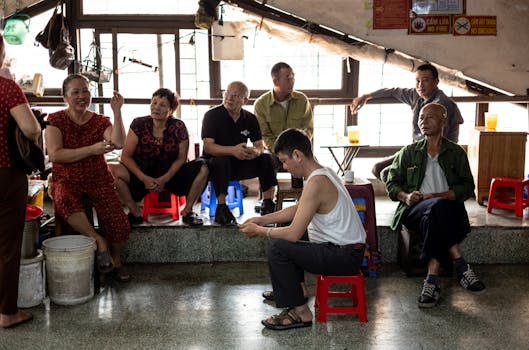
Grab a cup of coffee and picture everyday life in Scandinavia—a setting where unspoken rules shape each greeting, gesture, and conversation. Suddenly, differences become visible.
Understanding these unique codes matters for newcomers and seasoned travelers alike, since misreading Scandinavian social norms can lead to awkward moments or friendly surprises in unexpected places.
Let’s dive into the details, exploring real-life behaviors and phrases, making each country’s unwritten rules accessible—and actionable—for you today.
Recognize Personal Space and Silence in Scandinavia
Learning to navigate Scandinavian social norms on personal space and silence helps you interact respectfully with locals the moment you arrive.
Nordic traditions prioritize a notable distance between individuals, especially in public settings. Crowded elevators remain quiet, even when everyone knows each other by name from the neighborhood.
Respecting Boundaries: Practice Clear Distance
In Sweden, standing too close at a bus stop draws uneasy glances. Locals say, “Let’s give each other room,” before physically inching away from the crowd.
Danes without hesitation step aside if someone stumbles into their personal bubble. Body language stays relaxed, yet an extra foot of space is automatically re-established.
Meanwhile, Norwegians quietly queue with visible space markers. When chatting, they’ll keep at least arm’s length, mimicking the ebb and flow of a measured dance.
Utilizing Constructive Silence in Conversation
Silence in conversation isn’t awkward here; it’s comfortable. Finns pause noticeably between turns—this shows they’re actively listening, not disinterested or shy.
A Swede says, “I’m thinking,” after a long pause, while Norwegians simply nod in acknowledgment if the topic slows. This space for thought demonstrates respect.
To adjust, emulate this pacing: pause before answering, nod gently, or quietly affirm. You’ll match the conversational rhythm favored by most in Scandinavian social norms.
| Country | Personal Space Rule | Typical Phrase | Takeaway Behavior |
|---|---|---|---|
| Sweden | Arm’s length, even among friends | “Let’s give each other room” | Keep space in social lines, clubs, and public transport |
| Denmark | Immediate step aside in crowd | “Excuse me” as they move away | Politely re-establish space with a nod or a smile |
| Norway | Physical space marked in queues | Silent nod or gesture | Wait patiently and maintain line order strictly |
| Finland | Even larger space, quiet by default | No direct comments, uses pauses | Embrace silence and avoid forced small talk |
| Iceland | Friendly, but prefer personal bubble | Light humor deflects crowds | Keep interactions light—respect if someone steps back |
Follow Greeting Rituals and Social Introductions Correctly
Scandinavian social norms guide greeting scripts so interactions flow smoothly. Learn specific rules to demonstrate genuine respect and foster productive relationships.
A firm handshake marks most formal greetings, but excessive physical contact rarely follows. Eye contact remains consistent, and simple wording such as “Hello” or using names is favored.
Voice, Volume, and the Power of First Impressions
Speak in a steady, moderate tone when introducing yourself. Norwegians appreciate clear names and a gentle “Nice to meet you,” paired with a smile but not an embrace.
Danes say, “Hej, jeg hedder Lars,” keeping it short and direct. Finns lift their eyebrows in greeting and nod, expecting minimal chitchat before easing into deeper conversation.
- Offer a handshake upon meeting, avoid lingering touches—shows you value their boundaries and culture.
- Use a moderate tone, never loud—demonstrates composure and attention to context in line with Scandinavian social norms.
- Introduce yourself by first name—signals approachability while respecting formality levels individuals may expect.
- Repeat the other person’s name when spoken—facilitates rapport and recalls social hierarchy without overt displays.
- Wait for direct cues to shift topics—prevents missteps and respects their conversational pace, critical in all five Nordic countries.
Even in casual settings, these scripts shape connections that feel effortless and open, guided by deliberate rituals at each step of daily life.
Mastering Follow-Up Etiquette
Subtlety defines the next phase. Scandinavians rarely ask prying questions after basics; instead, they ease into personal topics as comfort grows.
“How was your trip?” signals interest only once a rhythm has settled. Silence again appears as space to breathe, not a void to be filled immediately.
- Stick to simple follow-up questions first, such as “How are you?” or “How’s it going?”—respects privacy while opening friendly exchange.
- Match their tone and tempo—fast talkers aren’t preferred, and quick shifts in topic can jar natural flow.
- Read body language; if they lean back or fold arms, stay in your lane and keep topics safe.
- Mirror their formality; switch from “Mr./Ms.” to first names only after prompted. This aligns with unspoken Scandinavian social norms on familiarity.
- Let them invite deeper discussion; a joke or story may signal it’s time to share more about yourself.
These steps make new acquaintances feel at ease, prevent social blunders, and let outsiders blend seamlessly into daily routines across Sweden, Norway, or Denmark.
Navigating Public Behavior and Group Settings
Reading group behavior and knowing public conduct in Scandinavian settings means you’ll sidestep embarrassment and join social circles without fuss.
Locals expect patience in lines, mindful use of shared spaces, and calm responses to disruptions—actions that can speak louder than words.
Small Group Gatherings: Subtle Signals
When joining fika (Swedish coffee breaks), let the group leader invite newcomers in. In Finnish gatherings, quietly place your mug before speaking—it’s a thoughtful readiness cue.
Watch for subtle nods or soft hand gestures that signal it’s your turn. Stay tuned to the cadence of conversation and shift topics only when everyone seems ready.
Keep your phone away and show interest via gentle eye contact—not big gestures or dramatic exclamations, which are out of step with Scandinavian social norms.
Social Etiquette in Shared Areas
At playgrounds and outdoor markets, parents let children roam with minimal hovering, signaling collective trust in community safety standards.
Public restrooms and waiting rooms are kept hushed. Step aside if someone needs space, acknowledging their presence with a nod rather than small talk or apologies.
Keep music low on public transportation, offer seats to elderly passengers, and avoid conversational outbursts—these simple gestures fit seamlessly into regional norms and expectations.
Speaking Up and Sharing Opinions the Scandinavian Way
Voicing personal opinions or concerns in Scandinavia follows careful scripts—clear, direct phrasing and non-confrontational delivery encourage honest dialogue, not debate or escalation.
“I see it differently” or “What do you think?” are useful entries into balanced group discussion, distinguishing Scandinavian social norms across meeting rooms, schools, and family tables.
When to Offer Input in Meetings
In Swedish offices, junior employees speak after senior staff have commented, typically starting with, “If I may add…” to signal respect and cooperation.
Denmark encourages gentle disagreement: “That’s interesting—I see an alternative.” This approach levels the hierarchy and keeps interactions warm, even around contentious topics.
In Norway, wait your turn, use supporting facts, and show appreciation after others’ points—applauding the team effort matters more than individual credit or spotlight.
- Phrase disagreement gently to preserve harmony; try “Could we look at another angle?” rather than blunt criticism.
- Let pauses guide turn-taking, staying attentive to those who haven’t spoken yet—fosters inclusivity that’s central in Scandinavian social norms.
- Restate the group’s consensus before offering your take—signals support for shared outcomes and respect for process.
- Save humor for lighter moments; jokes during disagreements can be misread as disrespect.
- Always thank colleagues for input, regardless of rank, reinforcing a team spirit that permeates every interaction.
Balancing Equality, Modesty, and Group Identity in Daily Life
Everyday choices—how to dress, praise others, or discuss achievements—reflect deeply held Scandinavian social norms surrounding modesty and group cohesion.
Praise lands softer, and self-promotion gets a skeptical glance. Locals noticeably understate their successes, stressing “We did it together,” even after individual achievements.
Applying Janteloven in Conversation
Janteloven, or “The Law of Jante,” frames social expectations in Norway, Denmark, and Sweden. It teaches that nobody should act superior or claim special status.
This norm emerges in phrases like “I just did my part,” when someone’s praised. Group credit always comes first; draw a parallel to team sports—everyone plays, nobody hogs the ball.
Use self-effacing humor and express gratitude for group support when mentioning your achievements—a direct expression of this principle.
Equality Through Everyday Actions
Pay attention to how leaders dress—bosses regularly ride the bus and show humility through practical shoes and simple office spaces, minimizing obvious status cues.
If someone offers to pay for coffee, reciprocate promptly or say, “Let me get the next one.” Sharing costs shows you value equality and respect traditions.
Choice of words also matters: “We” replaces “I,” even in personal stories, binding the group together at every opportunity.
Celebrating Traditions, Holidays, and Family Customs
Marking holidays in Scandinavia weaves collective identity and continuity, with traditions tied closely to Scandinavian social norms and the rhythm of community life.
Each country adds unique colors, foods, and rituals—like Lucia Day in Sweden, Constitution Day in Norway, and Danish Christmas lunches—bringing people together through synchronized acts.
Participation in Rituals: Key Behaviors
Arrival matters: punctuality is a sign of respect, but not arriving too early. Bring a small gift for the host, such as flowers or homemade bread, showing thoughtfulness.
The order of activities is observed closely. “Let’s wait until everyone is seated” ensures inclusivity, a visible value on display at family tables and communal gatherings alike.
Observe dress codes, especially for major events, balancing tradition with a touch of modest flair—a patterned sweater on Lucia Day or smart casual for summer barbecues.
- Arrive exactly on time to events, as early or late arrivals are intrusive—shows respect and regard for others’ schedules.
- Offer to clean up or help serve food—reinforces egalitarian values and makes the host feel appreciated.
- Abstain from loud toasts unless prompted, mirroring understated Scandinavian social norms for celebrations.
- Take part in singing or simple games when invited—a signal you’re embracing local culture actively, not as an outsider looking in.
- Follow the host’s pace for eating and drinking—prevents accidental faux pas and keeps everyone in sync.
Respecting Diversity and Adapting to Change in Modern Scandinavia
Changing demographics and evolving values challenge—but also enrich—how Scandinavian social norms are expressed, making adaptation a practical skill for visitors and locals alike.
Neighborhoods in Oslo or Malmö welcome migrants, whose customs sometimes blend or contrast with traditional behaviors, introducing playful debates and new scripts to daily routines.
Embracing Inclusion in Urban Life
Language classes and food festivals serve as gateways; “Would you like to join us for coffee?” bridges gaps and invites cultural exchange in multicultural neighborhoods.
Schools teach kids to introduce new families with gestures of trust, “This is my friend from Somalia,” fostering immediate connections grounded in open curiosity, not suspicion.
Community associations promote cross-cultural potlucks, encouraging everyone to share their favorite traditions and learn from new experiences—true reflection of Scandinavian social norms in motion.
Technology and Changing Communication Styles
Group chats now replace some in-person rituals. Emojis and succinct texts mimic offline cues: a thumbs up for agreement or clock emoji for, “I’ll be there on time.”
Social media etiquette brings unwritten rules online. Silence in chats is interpreted as “busy” or “thinking,” not avoidance. Timely, modest replies maintain harmony and group unity.
Tech hasn’t erased foundational habits. Digital greetings borrow from analog ones, blending pace and politeness—evidence that the digital world must still respect the same core values.
Applying Scandinavian Social Norms: Daily Growth and Practical Insight
By observing Scandinavian social norms—from personal space and quiet respect to egalitarian rituals—you blend in and experience the unspoken unity that binds these societies together.
Appreciating group identity, modesty, and openness helps both visitors and residents adjust, thrive, and enjoy new connections or lasting friendships across the region’s distinct cultures.
Each gesture, pause, or phrase you adopt not only honors local customs but also unlocks the trust and warmth at the heart of Scandinavian life. With time, these habits grow natural.