
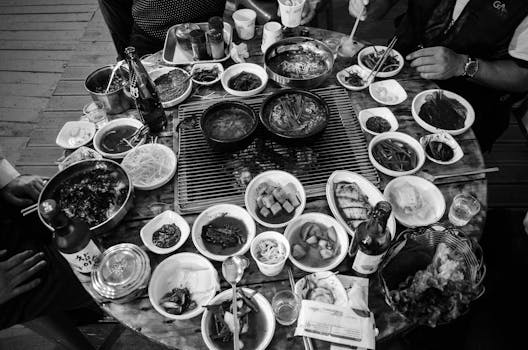
Everyday life in Korea feels vibrant, structured, and respectful. Along the way, Korean cultural manners shape nearly every interaction, visible in faces, gestures, and words.
Knowing these manners helps you build trust with locals, avoid mistakes, and experience Korean warmth more deeply. Social harmony isn’t accidental—it grows from clear rules both in public and private spaces.
Use this guide for concrete examples and actionable scenarios. Read on to make your time in Korea more comfortable, authentic, and respectful through practiced Korean cultural manners.
Greetings and Introductions Build Trust from the Start
Your first interaction sets the tone. Knowing specific greeting rituals helps you leave a positive and respectful impression in any Korean setting.
Bowing slightly with eye contact shows attentiveness. A simple greeting such as “annyeonghaseyo” delivered clearly demonstrates you’re honoring Korean cultural manners immediately.
Generational Respect During Greetings
Older people receive the deepest bows. Accompany gestures with formal language, like “annyeonghaseyo” for seniors, to reinforce hierarchy and deference instantly.
Two hands used when shaking hands, especially with elders or bosses, conveys humility. Mimic the culture by following their lead if unsure.
In private, youthful family members greet grandparents every morning. Imitate this script by smiling, slightly bowing, and wishing “good morning” in Korean.
Introducing Yourself in Social Circles
Use your full name and a slight bow. In group settings, introduce yourself to the eldest or most senior person first for proper order.
Repeat names upon hearing them. This attentive act signals sincerity and is encouraged as part of natural Korean cultural manners.
Example: “Annyeonghaseyo, je ireumeun [your name] imnida.” If introducing friends, mention who they are in relation to you, fostering group understanding.
| Greeting Situation | Appropriate Gesture | Polite Phrases | Next Step |
|---|---|---|---|
| Meeting Elder | Deep bow, two hands | Annyeonghaseyo | Repeat bow if acknowledged |
| Peers on Street | Nod, smile | Annyeong | Continue conversation casually |
| Business Setting | Firm handshake, two hands | Jeoneun [name] imnida | Offer business card |
| Family Morning | Bowing slightly | Jal jaesseumnikka | Ask about their health |
| Student to Teacher | Bow deeply | Annyeonghaseyo Seonsaengnim | Listen for reply quietly |
Dining Etiquette Prompts Respect at Every Meal
At the Korean table, each movement signals respect or disregard. Adhering to dining customs ensures you look polite and engaged while strengthening people’s trust.
Wait until the eldest starts eating before you touch your food. This small gesture is a pillar of Korean cultural manners, echoing the value placed on hierarchy over meals.
Setting the Table in Homes
Family meals begin with everyone seated. Placing chopsticks parallel on the rest, waiting for elders, and avoiding pouring your own drink show tangible respect.
Allow elders to pour for you. To reciprocate, hold your glass with two hands. This custom plays out daily and helps forge social bonds, even with strangers.
- Start eating only after elders begin, showing sensitivity to hierarchy and group cohesion. Observe carefully and prepare to follow their lead.
- Hold chopsticks with both hands while passing dishes. This reduces risk of dropping and makes your action more mindful and deliberate.
- Refill others’ drinks before your own. Proactively scan plates and cups nearby, acting before anyone has to ask.
- Place bowls on the table rather than lifting them, maintaining tidiness and matching local habits.
- Offer words like “jal meokkesseumnida” (I will eat well) before the meal, and “jal meogeosseumnida” (I ate well) after. These polite cues express appreciation aloud.
Practice these steps daily to internalize respectful habits that locals will appreciate immediately.
Dining Out Scripts and Table Behavior
Restaurants expect quiet, contained volume—no boisterous laughter or sprawling arms. Pass side dishes with clean chopsticks and share everything unless refused directly.
Say, “more please” using “deo juseyo” and pass plates with both hands. When unsure, pause and copy hosts’ etiquette discreetly. Watch their signals for what comes next.
- Use communal chopsticks for shared dishes to avoid spreading germs. Always switch utensils before taking your portion.
- Say “thank you” after service, making eye contact, as gratitude holds high value in Korean cultural manners. Speak softly and with a nod.
- Stay seated until the eldest leaves or signals the meal’s end, keeping all bowls and dishware clean and upright.
- Never stick chopsticks upright in rice, as this symbolizes a funeral ritual. Lay them flat beside the bowl instead.
- Return chairs and wipe your eating area discreetly after group meals, displaying care for the shared space and for the next guests.
Every meal strengthens your grasp of Korean cultural manners and shows visible respect for your hosts and fellow diners.
Speech, Volume, and Titles Guide Public Conversation
Korean conversations require careful volume, phrasing, and choice of titles. Following these communication rules aligns your tone with the group’s expectations every time.
Using Honorific Titles Correctly
Always use honorifics when addressing elders, bosses, or teachers. Attach “-nim” to a person’s title as in “seonsaengnim” for a teacher. This signals deference and context.
In workplaces or meetings, address people by their job title, not their given name. Example: “Kim sajang-nim” for Mr. Kim, company president.
With family, use relative terms such as “imo” for aunt, “samchon” for uncle, and avoid first names entirely. In all settings, echo titles you hear around you.
Managing Tone and Volume
Keep conversation volume moderate, especially in enclosed spaces. Speak directly and clearly, pausing to let older participants respond first whenever possible.
Gesturing wildly or laughing loudly may appear disruptive. Adjust your enthusiasm to match your companions’ tone for smoother exchanges with strangers or elders.
Public spaces like subways or waiting rooms call for subdued voices. Save cheerful stories or laughter for outdoor parks or home gatherings, blending in with Korean cultural manners everywhere.
Integrating Korean Cultural Manners into Daily Routines
Practicing Korean cultural manners transforms your interactions in homes, restaurants, workplaces, and public spaces. Small, conscious gestures let you build real connections based on shared respect and tradition.
From thoughtful greetings and titles to meal etiquette, every moment invites you to adopt Korean cultural manners naturally. These practices keep communities harmonious and bridge cultural gaps seamlessly.
Commit to daily learning and adaptation. Genuine effort in applying Korean cultural manners makes each day in Korea brighter, more connected, and genuinely rewarding for every visitor or resident.