
Finding yourself in a surprising social puzzle can lead to panic or smiles, especially if it calls for a steady hand with British manners guide wisdom. Most Americans appreciate a gracious guest, but sometimes it’s the smaller gestures shaped by British customs that make moments shine. Discover what makes these etiquette traditions unique and learn how they can lift your daily interactions.
The subtle rules behind British manners guide everything from greetings to digital conversations. Understanding the details helps anyone act confidently and build better relationships, whether you’re in a casual setting or a professional dinner. These practical tips can transform your first impression into a memorable connection.
Explore this British manners guide and pick up actionable techniques for clear communication, resolving awkward encounters, and respecting boundaries—without losing your own personality or sounding overformal. Embrace the nuances for effortless courtesy in any situation.
Greeting Etiquette Sets the Right Tone Every Time
Making a good impression starts at the moment of meeting. A British manners guide provides a specific roadmap for greetings, body language, and follow-up conversation.
Start with a smile, steady eye contact, and a simple “Hello, nice to meet you,” rather than an enthusiastic hug or clap on the back. Keep physical contact minimal unless the other person initiates.
The Importance of Handshakes and Eye Contact
British manners guide handshakes to be brief, gentle, and confident. Both firmness and warmth matter—never too hard, never limp. This reflects respect and self-assurance without appearing aggressive.
Maintain moderate eye contact, nod occasionally, and avoid staring. Attention signals engagement, but staring can appear intimidating or insincere. Combine this with a relaxed posture.
End your greeting with, “Lovely to meet you,” or “How do you do?” This closes the introduction naturally and maintains the right tone.
Politeness in Everyday Interactions
The British manners guide says always say “please” and “thank you.” Even small requests like “Could you pass the salt, please?” reinforce mutual respect and a sense of goodwill.
On public transport, always offer your seat to anyone who appears to need it more. Doing so with a quiet “Would you like this seat?” conveys empathy without fuss.
Add “excuse me” before interrupting or squeezing past someone. It’s a micro-step that builds a positive dining, travel, or meeting experience for everyone involved.
| Situation | Greeting | Appropriate Gesture | Takeaway |
|---|---|---|---|
| Job interview | “Good afternoon, thank you for seeing me.” | Gentle handshake | Appear polite and punctual |
| Friend’s dinner party | “Evening, thank you for having me.” | Short handshake or small wave | Show gratitude on arrival |
| Meeting a neighbor | “Hello, how are you?” | Smile and minimal physical contact | Be approachable and interested |
| Business event | “Pleased to meet you.” | Handshake with eye contact | Build professional rapport |
| Casual encounter at a café | “Hello.” | Slight nod | Keep it simple, stay open |
Conversation Flow and Small Talk Skills
Following the British manners guide means you bring a measured, thoughtful approach to conversation that helps build trust and connection from the start. Apply moderation and avoid dominating the exchange.
Small talk covers safe, light topics—weather, travel, or shared experiences. Skip personal finances or politics unless you know the other person well and are sure of their comfort level.
Effective Openers for Any Occasion
“Isn’t this a lovely venue?” or “Have you tried the dessert yet?” sets an easygoing tone and invites participation. The British manners guide encourages starting with details everyone can access.
React positively to new topics, nod, and smile. Use short follow-ups like, “Tell me more about that,” to show you’re present and listening, not just waiting for your turn to talk.
- Start with a neutral topic—”The garden looks beautiful today,” supports inclusive conversation and keeps dialogue comfortable for everyone.
- Steer away from complaints, especially personal issues. “What a busy week,” is fine, but avoid dwelling on negativity.
- Let pauses occur. Silence can show reflection rather than awkwardness. Don’t rush to fill gaps—sometimes a gentle nod is enough.
- Listen actively by making eye contact, nodding, and giving short verbal responses. This reassures the speaker you value their input.
- Shift topics gracefully—”Changing gears, did you see the football last night?” ensures changes feel natural, not abrupt or forced.
Polished small talk helps foster harmony and signals adaptability in groups or one-on-one meetings, as emphasized by every British manners guide.
Exiting Conversations with Grace
Say, “Excuse me, I should say hello to our host,” or “I need to check on the children.” British manners guide departure lines are clear, courteous, and leave room to reconnect later.
Smile and thank the person: “It was a pleasure talking with you.” This ensures no awkwardness and maintains friendly relations.
- Offer a specific reason for leaving—truthful but polite, so no one feels slighted or ignored.
- Express future interest—”Perhaps we can continue this over coffee another time.” This keeps the door open.
- Close with thanks for their company, reinforcing mutual respect.
- Avoid checking your phone or glancing around, which telegraphs impatience or boredom and breaks the British manners guide principle of full attention.
- Transition away, but pause to confirm the other person feels acknowledged before you go. A nod, handshake, or “Until next time” works well.
When closing a conversation, mirror the careful closure style recommended throughout the British manners guide, and you’ll leave a positive impression.
Table Manners for Every Dining Scenario
Understanding the expectations for shared meals is crucial. Observing the British manners guide at the table shows care for your host and fellow diners while reducing the risk of offense.
Begin by waiting until everyone has been served before starting to eat. Napkin placement in your lap signals readiness and respect for tradition.
Cutlery and Place Settings Essentials
Start with the cutlery farthest from your plate and work inward with each course. British manners guide this sequence as both practical and refined, easing confusion.
Place your fork and knife together, blade inward, at the four o’clock position on your plate when finished eating. This nonverbal cue signals to the server that you’re done.
Keep elbows off the table during the meal but rest forearms gently when conversation pauses between courses. It blends composure with approachability.
Hosting and Guest Responsibilities
If you’re hosting, offer drinks first and introduce guests by name to those they don’t know. Follow a British manners guide: “May I introduce Mr. Smith, my friend from work?”
Guests should always compliment the meal—even if it’s not to their taste—with phrases like “What a lovely dish, thank you so much for having me.” It communicates gratitude and lightens the atmosphere.
Everyone should help clear the table if informal, but always check if help is welcome: “Would you like a hand with the dishes?” In formal settings, remain seated until prompted.
Expressing Gratitude and Giving Apologies
Knowing when and how to say “thank you” or “sorry” defines the spirit of the British manners guide. Precise gratitude and apologies smooth over misunderstandings before they grow.
Specific thanks—such as “I appreciate your effort organizing this dinner”—carry more meaning. Choose clear, direct language and always make eye contact for sincerity.
Saying Thank You with Impact
Send a short message after being hosted: “Thank you for a wonderful evening. Your hospitality was much appreciated.” This habit, hardwired into the British manners guide, builds goodwill for future invitations.
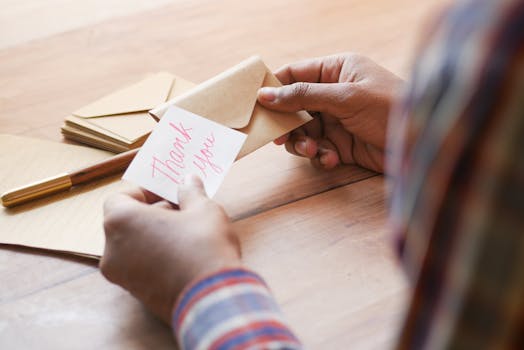
Small, thoughtful gestures such as handwritten notes or modest gifts underscore your gratitude and attention to detail, adding warmth to every interaction.
When unsure what to say, focus on the effort rather than outcome: “Thank you for your time” works even if plans went awry.
Delivering Effective Apologies
Use plain language: “I’m sorry I was late. I’ll make sure it doesn’t happen again.” British manners guide apologies are straightforward, without embellishment or excuses.
Apologize in person when possible. If not, a concise message sent promptly—”I realized I spoke out of turn and apologize”—repairs trust before it frays further.
Let your body language align with your words: lowered tone, genuine eye contact, and calm posture. This signals sincerity and invites understanding, even if emotions run high.
Digital Courtesy for Modern Communication
Applying the British manners guide online can prevent hurt feelings and miscommunication, particularly as most professional and social conversations now happen digitally.
Respond to invitations or messages within 24 hours. Delayed replies break the rhythm of digital politeness and can be seen as dismissive.
Email and Messaging Protocols
Open emails or texts with “Dear” or “Hello,” followed by the recipient’s name. The British manners guide recommends clear, friendly greetings as the foundation for digital respect.
Keep responses brief, positive, and relevant to the topic. Express thanks or acknowledgment in each message—”Thank you for your quick reply”—even if just confirming receipt.
Always double-check the tone of your message. Read it aloud: anything that feels abrupt or demanding can be softened with “Would you mind” or “Could you please.”
Social Media Interactions
Interact thoughtfully by liking, sharing, or commenting only on posts you genuinely value or understand. The British manners guide considers online actions public reflections of your offline character.
Steer clear of airing frustrations, venting, or criticizing directly. Instead, message privately if delicate feedback is needed. Politeness extends to all platforms, including replies and group chats.
Tag or mention others respectfully. Ask permission before posting joint photos or stories—”Is it all right if I share that picture?” keeps relationships strong and drama-free.
Subtle Cues and Reading the Room Effectively
Learning to sense unspoken boundaries is a hallmark of the British manners guide. Body language and atmosphere offer cues to fit in naturally and avoid faux pas.
Observe posture, pace of speech, and volume in a group. The British manners guide emphasizes harmonizing with your surroundings, like adjusting your step to a crowded sidewalk.
Matching Energy in Social Situations
Mirror the group’s energy—if everyone is reserved, use softer words and smiles. If conversation is lively, join gently and offer brief contributions to adapt without disrupting the flow.
Notice when people lean back, glance at the door, or check their watches. These are British manners guide cues that an event or discussion may be winding down. Time your exit accordingly.
Adapt your own behavior. If a friend seems distracted or rushed, pause your story and offer to continue later. It shows grace and awareness cultivated by the British manners guide.
Respect for Privacy and Space
Keep a conversational distance—about arm’s length—unless invited closer. Even in crowds, the British manners guide suggests subtle steps to give people room to breathe.
Lower your voice when discussing personal matters, especially in public. It’s a sign you’re mindful of others’ comfort and privacy, keeping the atmosphere relaxed.
Always ask before touching someone’s belongings or pets. “May I?” signals respect. Copy this script and you’ll avoid overstepping boundaries while building mutual trust.
Conclusion: Integrate British Manners Guide Principles Daily
Throughout work meetings, casual gatherings, or even online interactions, using the British manners guide enriches every connection by blending tact with sincerity. Prioritize clear, direct gestures and everyday politeness.
This approach to etiquette balances tradition with practicality. It encourages not just good form but a welcoming, thoughtful mindset that’s valuable wherever you go.
Let small changes—like a well-timed “thank you” or an unobtrusive apology—take root. By practicing the British manners guide, you’ll find social worries replaced by lasting, warm impressions.