
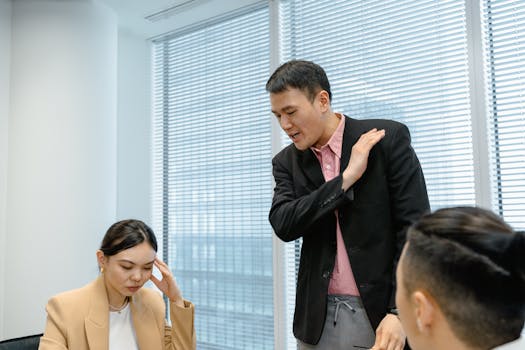
Watching colleagues interact in a German office, you’ll sense an understated rhythm, shaped by unspoken guidelines. These patterns reveal more than rules—they’re habits developed for clarity and trust.
Understanding workplace manners influences how connections are made, decisions are shaped, and responsibilities handled. That’s why German workplace etiquette shapes everyday experiences and expectations, from casual greetings to major presentations.
If you want clear strategies to thrive in a German work setting, this guide unlocks what to say, do, and notice at every stage of your professional journey.
Punctuality and Directness: Setting Expectations from Day One
Arriving exactly on time for meetings immediately demonstrates respect. German workplace etiquette places high importance on punctuality, interpreting lateness as disrespectful or careless. Colleagues value reliability.
Direct speech is common in conversations. In Germany, being straightforward indicates honesty, not rudeness. Clarity of communication ensures projects run smoothly and everyone knows their responsibilities with no second-guessing.
Greeting Rituals Reveal Professionalism
An initial greeting is formal yet brief. A typical introduction uses “Guten Morgen” or “Guten Tag,” a firm handshake, and direct eye contact. Smiling is polite, but exaggerated enthusiasm is rare.
When entering a room, greeting each individual—rather than a general hello—shows attention to detail. This small gesture signals respect for everyone’s presence, reflecting the standards of German workplace etiquette.
Exchanging business cards is thoughtful, especially on first meetings. Accept the card with a glance at the details, showing you value the connection, then keep it accessible.
Addressing People: Titles Matter
Titles like “Herr” or “Frau” followed by the last name are standard until you’re offered the “du” (informal you). Always mirror the senior person’s level of formality.
Using academic titles, such as “Dr.,” is also important. “Herr Doktor Müller” acknowledges both social and academic status—a crucial point in German workplace etiquette.
If you’re unsure, err on the side of formality. This ensures you won’t accidentally overstep or cause awkwardness, especially in the beginning.
| Scenario | Formal Approach | Informal Approach | What To Do Next |
|---|---|---|---|
| First introduction | Use “Herr/Frau” + surname | First name (if offered) | Wait for the invitation to use first names |
| Email greeting | Sehr geehrter Herr | Hallo + first name | Follow the recipient’s lead in future emails |
| Team meeting | Address each by surname | Informal only if everyone does | Adapt to majority |
| Greeting visitors | Handshake, formal address | Smile, wave (rare) | Always start with the formal approach |
| Introduction events | Formal speech, clear structure | Stories, casual jokes | Favor clarity and precision |
Communicating Clearly: Breaking Down Language and Body Cues
Every email, meeting, and one-on-one feedback session is an opportunity to practice German workplace etiquette. Specificity is prized, and vague comments are discouraged in professional contexts.
Non-verbal signals reinforce your words; German culture expects gestures and posture to match what you’re saying. Cautious listeners immediately notice inconsistencies, so it’s best to keep your message and presence aligned.
Emails and Reports: Structure and Precision
German emails are typically formal, following a structure: greeting, concise body, polite closing. Each section mirrors the overall value of order in the workplace.
- Start with a proper salutation, using titles where applicable. This sets a respectful, professional tone in line with German workplace etiquette.
- Be concise; limit emails to essential details. Overly long explanations appear inefficient, so state only what’s required for clarity and action.
- Use bullet points for lists to present tasks or key information. Structured emails show you care about the reader’s time and comprehension.
- Close with a standard phrase, like “Mit freundlichen Grüßen” (with kind regards). This rounds off correspondence smoothly and maintains polite consistency.
- Attach documents named according to clear conventions, making follow-up and archiving straightforward for the recipients and yourself.
Each of these points ensures information is shared precisely and efficiently, a core expectation in German workplace etiquette.
Active Listening and Non-verbal Alignment
Nodding occasionally indicates understanding and interest, rather than enthusiastic agreement. Avoid dramatic gestures, as subtle responses are the norm within German workplace etiquette.
- Maintain calm, neutral posture during meetings. It communicates attentive presence and lets your words stand on their own, without distraction.
- Hold steady eye contact when speaking and listening. This signals you’re engaged and treating others as peers, improving mutual understanding.
- Keep hand movements minimal. Use gestures only to emphasize key points, mirroring the speaker’s style where reasonable without mimicking caricature.
- Wait for your turn to speak; don’t interrupt. Pausing an extra second after someone finishes is viewed as thoughtful, not awkward, in German workplace etiquette.
- Avoid exaggerated facial expressions. Subdued reactions maintain professionalism and spare listeners uncertainty about your intentions.
These actions help you project respect for the group and present yourself steadfastly in every professional interaction.
Feedback Culture and Conflict Resolution in German Offices
Giving and receiving constructive criticism is a daily skill in German workplace etiquette. Specific feedback helps projects progress, and clarity reassures all team members.
Conflict isn’t shunned; direct conversations address issues early. Open doors for honest dialogue create trust, making misunderstandings easier to solve and team projects simpler to navigate.
Delivering Feedback: Concrete and Actionable Steps
Offering critique begins with facts, not personalities. “The deadline was missed by two days; next time, we’ll agree on a new timeline in advance.”
Avoid ambiguous praise such as “good job.” Instead, specify exactly what worked, like “Your thoroughly researched report offered useful references.” This aligns with German workplace etiquette and supports learning.
Feedback meetings end with a summary of next steps. The recipient repeats their plan, confirming their understanding and demonstrating the value placed on productive feedback loops.
Managing Disagreements: Tools for Resolution
If team members disagree, a neutral moderator may be invited to clarify issues. This tactic keeps discussions calm and forward-focused, ensuring that solutions come from dialogue.
Documenting the key points of a conflict aids clarity. Summaries ensure no detail is forgotten and everyone’s concerns have been acknowledged, a practical habit in German workplace etiquette.
Follow-up emails confirm agreements, so nothing is left unsaid and all responsibilities are transparent, helping restore collegial harmony post-disagreement.
Meeting Culture: Guidelines for Efficient Collaboration
Meetings in Germany aim to achieve clear results, not just discussion. Structure and a strict schedule ensure collaboration stays on track while respecting everyone’s commitments.
German workplace etiquette includes distributing agendas in advance, allowing everyone to prepare efficiently and contribute relevant updates or questions during the meeting.
Chairing a Meeting: Concrete Steps
The meeting chair greets attendees on time, reviews the agenda, and confirms time limits for each point. This consistency drives focused progress and fair participation.
Participants raise hands to speak and limit interruptions. The record keeper summarizes the group’s decisions, circulating minutes for approval after the meeting. Clarity remains a top value.
Action items are assigned explicitly, with each person confirming their responsibilities verbally. This ritualized clarity is another mark of effective German workplace etiquette.
Participating as an Attendee: Behaviors and Tips
Arrive with prepared notes or questions that align with the published agenda. Keeping succinct ensures the discussion stays efficient and makes you a valued contributor.
Focus on the topic being discussed; unrelated matters are saved for the end or another meeting. Respecting the process prevents confusion and demonstrates your understanding of German workplace etiquette.
Signal agreement or disagreement politely through short comments, not theatrical reactions. “I support this approach,” or “I have an alternative to suggest,” keeps feedback productive.
Office Environment: Navigating Hierarchies and Social Customs
Knowing who takes the initiative, who makes key decisions, and how social circles function clarifies expectations at work. German workplace etiquette helps employees navigate hierarchies smoothly.
Authority is respected, but leaders are expected to model transparency. If you’re unsure whom to consult, start at your immediate supervisor, a safe default that matches office expectations.
- Introduce yourself to new colleagues early. This break-the-ice gesture helps integrate you into the team and signals openness, a highly valued trait in German workplace etiquette.
- Participate in group breaks when possible. Standing in the office kitchen drinking coffee with colleagues deepens workplace bonds and allows indirect insight into office life.
- Attend after-work socials, but moderate your alcohol. Join the first round, thank your host, and exit after a few conversations to balance politeness and boundaries.
- Celebrate birthdays with low-key treats. Providing cake for your own birthday is typical, more about inclusion than attention-seeking, underscoring modesty in German workplace etiquette.
- Support new team members by explaining unspoken customs. Clarifying lunch traditions or break times fosters a smooth onboarding and team harmony.
Investing in these actions creates positive impressions and helps you avoid awkward social missteps.
Dress Code Consistency and Workspace Tidiness: Everyday Professionalism
German offices favor classic attire and tidy workspaces, maintaining function and professionalism. These details tell colleagues you’re ready to contribute thoughtfully and fit cultural expectations.
Observe colleagues’ wardrobe and adjust accordingly—a simple but effective way to show you grasp unwritten standards in German workplace etiquette, both in how you dress and organize your space.
- Wear understated business attire on first days. Navy, gray, and black are standard. Save bold patterns or bright colors for personal time, conveying respect for tradition.
- Keep your desk free from clutter. Tools and papers should be stored when not in use. This makes collaboration faster and reflects reliability.
- Bring a second pair of indoor shoes if the season is wet. Changing shoes at the door avoids unnecessary mess, a subtle marker of care in German workplace etiquette.
- Label your food in the office kitchen. This courtesy prevents confusion and fosters mutual respect, helping everyone share the space with minimal tensions.
- Clean up communal meeting rooms after use. Erase whiteboards, clear mugs, and reset chairs for the next group, demonstrating awareness of shared resources.
Adapt these micro-behaviors for seamless integration, even if you’re new or visiting.
Work-Life Boundaries: Prioritizing Balance Through Practice
German workplace etiquette promotes balance by setting boundaries around personal hours. After clocking out, work emails and calls wait until the next morning unless it’s truly urgent.
Vacations are considered essential. Colleagues will document handovers, set auto-replies, and expect you to fully disconnect, reinforcing trust and rest as a professional value.
Requesting Time Off: Transparency and Preparation
Submit vacation requests in writing with plenty of notice. Use direct language, for example: “I’d like to take July 12–18 as holiday, please confirm.”
Your supervisor will check coverage plans, clarify expectations, and update calendars. coworkers appreciate knowing you’ve arranged for seamless workflow before departing.
Hand over essential contacts and tasks to a substitute, then communicate clearly to ensure a smooth transition. This transparency is vital to German workplace etiquette.
Applying German Workplace Etiquette: Immediate Steps for Success
Adopting these habits transforms everyday work life, allowing you to build strong connections through punctuality, clarity, and mutual respect. Small actions cement your professionalism.
German workplace etiquette doesn’t change overnight, but every greeting, meeting, and feedback exchange strengthens your understanding. You’ll become more confident with each genuine attempt to adapt.
Start by choosing one habit this week—arriving exactly on time, or greeting each person by name. With each positive experience, etiquette becomes routine, boosting trust and opportunities.